The Art of Elegant Typography: Mastering Rhineston
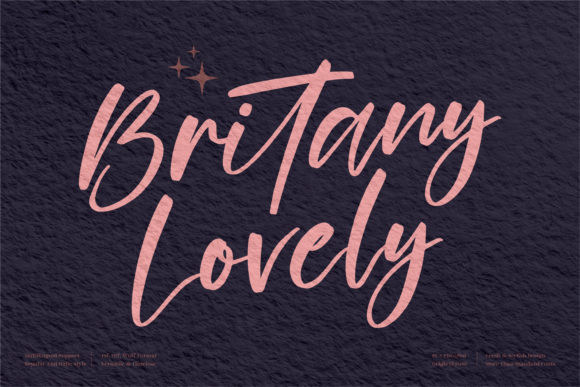
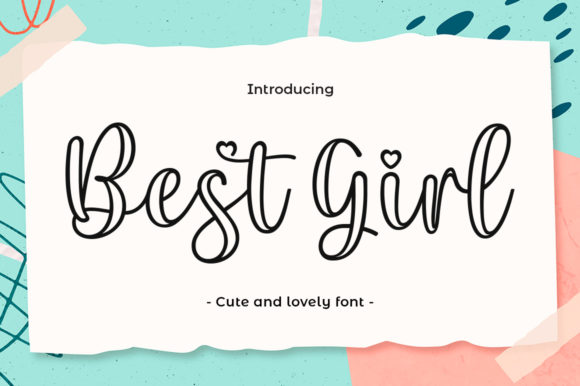
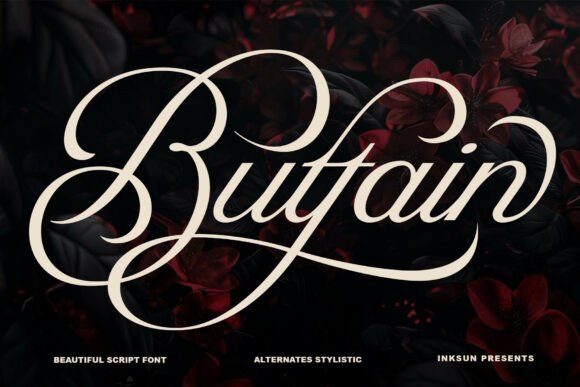
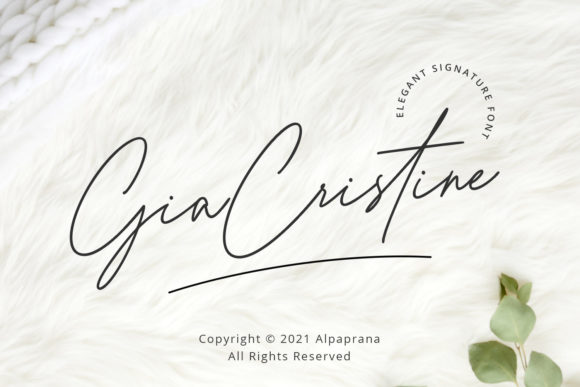
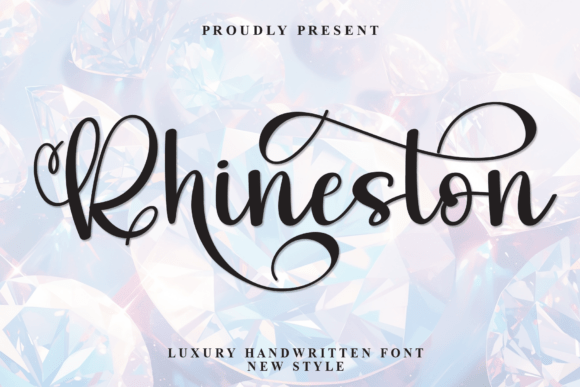
In the competitive landscape of visual communication, the choice of typography can instantly define the perceived value of a brand. Rhineston is a sophisticated and fluid script font that captures a graceful, hand-sculpted personality, making it an essential asset for designers seeking to inject luxury and warmth into their projects. This luxury handwritten font is defined by a rhythmic visual flow characterized by thick downstrokes paired with fine connectors and smooth joins. Its structure utilizes soaring ascenders and long, sweeping terminal swashes to create a sense of customized artistry that feels high-end and personal.
Understanding the Visual Impact of Rhineston
In modern graphic design, typography is not merely about legibility; it is about evoking emotion and establishing a specific mood. Rhineston excels in this area by bridging the gap between digital precision and organic human touch. The contrast between the thick and thin strokes provides a dynamic visual hierarchy, drawing the eye naturally along the text. This makes it a premier choice for projects where personal connection and exclusivity are paramount. Unlike rigid sans-serifs, this script font offers a fluidity that suggests craftsmanship and attention to detail.
Practical Applications for Creative Professionals
When integrating a specialized typeface into a design workflow, versatility is key. Rhineston’s elegant aesthetic makes it suitable for a wide range of applications, ensuring consistency across various touchpoints of a brand’s ecosystem.
- Brand Identity and Logo Design: Use Rhineston to create logotypes for boutique businesses, such as spas, jewelry lines, or luxury fashion brands. Its high-end feel instantly communicates quality.
- Event Stationery: For weddings, galas, and formal invitations, this font provides a personalized, engraved look that standard fonts cannot replicate.
- Digital Marketing and Social Media: Create striking headlines for Instagram posts or Pinterest graphics. The font’s fluidity helps capture attention in fast-scrolling environments.
- Editorial and Packaging Design: Apply the font to packaging labels for artisanal goods or as pull quotes in magazine layouts to break up text-heavy pages with a touch of elegance.
Best Practices for Typography Implementation
While a beautiful font can elevate a design, it must be used thoughtfully to maintain readability and professional standards. When working with Rhineston, consider the context of your design environment.
- Prioritize Readability: Script fonts are best suited for display text, headlines, or short phrases. Avoid using Rhineston for long paragraphs of body copy, as the intricate details may become difficult to read at smaller sizes.
- Ensure Scalability: Always test the font at the scale it will be viewed. A logo must remain legible on a business card as well as on a billboard. The fine connectors in Rhineston require sufficient size to be appreciated.
- Balance with Supporting Typefaces: To create a balanced visual hierarchy, pair this script with a clean, neutral sans-serif or serif font. This contrast ensures that the design remains grounded and easy to navigate.
Ultimately, the goal of any design project is to communicate a message effectively while creating a memorable user experience. By selecting high-quality creative assets like Rhineston, designers and business owners can ensure their visual output looks polished and intentional. Thoughtful typography choices bridge the gap between a simple message and a powerful brand story, proving that the right font is an investment in the brand's future success.