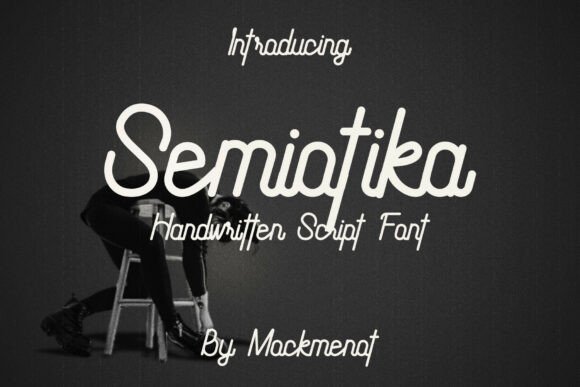
Semiotika: Elevating Design with Expressive Handwritten Charm
In the crowded landscape of digital design, a font that carries genuine human warmth can be the defining element that makes a project memorable. Semiotika, a modern handwritten script font, offers precisely that—a playful flow and expressive personality that transforms standard text into a visual story. Its smooth monoline strokes and natural movement provide a casual yet artistic feel, making it an invaluable asset for designers seeking to inject authenticity into their work.
The Role of Typography in Visual Communication
Typography is the voice of design. It dictates tone, guides the eye, and significantly impacts user experience. While sans-serifs and serifs establish order and tradition, a script font like Semiotika introduces a layer of emotional resonance. Its clean curves and stylish character are engineered for versatility, bridging the gap between minimalist layouts and more expressive visual aesthetics. For brands, this means a typeface that can communicate approachability and creativity without sacrificing professionalism.
Practical Applications Across Creative Projects
The utility of a well-crafted handwritten font extends far beyond a single use case. Semiotika’s design is optimized for a wide array of applications, ensuring consistency across various touchpoints. Consider integrating it into the following creative projects:
- Brand Identity & Logo Design: Craft logos that feel personal and bespoke, ideal for boutique brands, artisan products, or lifestyle services.
- Marketing & Social Media Graphics: Create eye-catching headlines, quotes, and call-to-action elements that stand out in fast-scrolling feeds.
- Packaging & Merchandise: Apply to labels, tags, and apparel to convey a handmade, premium quality that enhances perceived value.
- Editorial & Web Design: Use for pull quotes, subheadings, or accent text in layouts to break monotony and direct reader attention effectively.
Strategic Selection of Creative Assets
Choosing the right design elements requires more than aesthetic preference; it demands strategic evaluation. When selecting a font like Semiotika, consider its scalability and readability across different mediums. Its monoline construction ensures clarity even at smaller sizes, which is crucial for UI elements or detailed packaging. Furthermore, assess its compatibility with your existing color palette and imagery. A handwritten script should complement, not compete with, other visual components in your design hierarchy.
Effective integration also means understanding context. A playful script may be perfect for a coffee shop’s menu but might need careful pairing with a sturdy sans-serif for a corporate presentation to maintain balance. The goal is to use Semiotika to highlight key messages—such as a promotional offer or a brand slogan—where its expressive nature can drive engagement without overwhelming the core information.
Achieving a Polished Professional Result
The difference between amateur and professional design often lies in the details. Thoughtful typography choices, consistent application, and an understanding of visual rhythm are what elevate a project. Quality creative assets like Semiotika provide a foundation, but their impact is maximized through skillful composition. Pair it with a restrained color palette and ample whitespace to let its personality shine. Use it to create focal points that guide the user’s journey, whether on a website, a poster, or product packaging.
Ultimately, investing in versatile and well-designed creative resources streamlines the design workflow and ensures a cohesive output. By selecting tools that align with both the project’s functional goals and its emotional intent, designers and creators can produce work that is not only visually striking but also communicates with clarity and purpose. In a world saturated with generic content, such thoughtful choices are what make a brand—and its message—truly resonate.